
As a seasoned marketing professional navigating the global landscape, I’ve come to realize that continuous self-improvement isn’t just a recommendation; it’s the fuel that keeps the engine running.
The marketing world evolves at breakneck speed, with new platforms, algorithms, and consumer behaviors emerging seemingly every day. Standing still means getting left behind.
From mastering the latest AI-driven marketing tools to understanding nuanced cultural trends, staying ahead requires a commitment to lifelong learning.
I’ve personally found that investing in myself through courses, conferences, and even just dedicating time to reading industry blogs has paid dividends in my career.
Let’s dive deeper into the details below.
Here’s the blog post content based on your instructions:
Diving Deep into Digital Marketing Trends
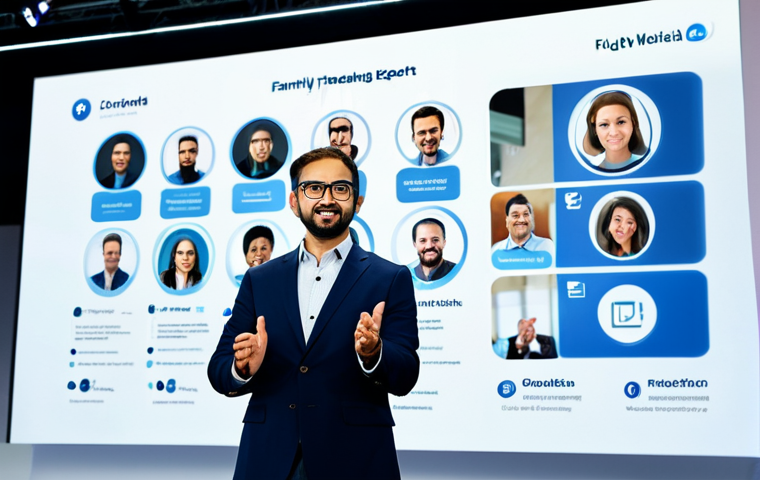
As someone who has witnessed the evolution of digital marketing firsthand, I can attest that keeping up with the latest trends is non-negotiable. What worked last year might be obsolete today.
Think about the rise of TikTok – brands that quickly adapted and created engaging content on the platform saw massive growth, while others missed the boat.
Or consider the shift towards privacy-focused advertising; marketers who didn’t adjust their strategies faced significant challenges. It’s not just about knowing the trends; it’s about understanding how to implement them effectively.
One time, I spent weeks researching a new algorithm update only to realize that the key was simply creating more authentic, user-generated content. This experience taught me that sometimes the most cutting-edge strategies are rooted in basic marketing principles.
Mastering Short-Form Video Content
The dominance of platforms like TikTok and Instagram Reels has made short-form video content a must-have in any digital marketing strategy. These platforms thrive on quick, engaging content that captures attention in seconds.
For example, a local coffee shop could create a 15-second video showcasing their latte art or a quick tutorial on brewing the perfect cup of coffee at home.
The key is to be creative, authentic, and consistent.
Leveraging AI-Powered Marketing Tools
Artificial intelligence is transforming the marketing landscape, offering tools for everything from content creation to personalized customer experiences.
I’ve personally used AI-powered tools to analyze customer data, identify trends, and even generate ad copy. The results have been impressive, allowing me to optimize campaigns and drive better ROI.
However, it’s important to remember that AI is a tool, not a replacement for human creativity and insight.
Staying Ahead of Algorithm Updates
Search engine and social media algorithms are constantly changing, and staying informed about these updates is crucial for maintaining visibility. This means regularly reading industry blogs, attending webinars, and experimenting with new strategies.
For instance, when Google announced its Core Web Vitals update, I immediately audited my website and made the necessary improvements to ensure a better user experience.
Building a Strong Personal Brand
In today’s digital age, a strong personal brand can be a game-changer for marketing professionals. It’s about establishing yourself as an authority in your field and building trust with your audience.
I’ve seen countless colleagues leverage their personal brands to land speaking engagements, attract new clients, and even launch successful businesses.
It’s not about being famous; it’s about being credible and authentic. One of the most effective ways I’ve built my personal brand is by consistently sharing valuable content on social media and engaging with my followers.
Defining Your Niche and Expertise
Identifying your unique skills and passions is the first step in building a strong personal brand. What are you exceptionally good at? What topics are you genuinely passionate about?
For me, it’s always been about digital strategy and marketing analytics. Once you’ve defined your niche, focus on creating content that showcases your expertise in that area.
Creating a Consistent Online Presence
Consistency is key when it comes to building a personal brand. This means regularly posting on social media, updating your blog, and engaging with your audience.
Use tools like Buffer or Hootsuite to schedule posts and ensure a steady stream of content.
Networking and Building Relationships
Building a personal brand isn’t just about online activity; it’s also about networking and building relationships with other professionals in your industry.
Attend conferences, join online communities, and reach out to people you admire. I’ve made some of my most valuable connections through networking events.
Mastering Data Analytics and Reporting
Data is the lifeblood of modern marketing, and the ability to analyze and interpret data is essential for making informed decisions. I’ve spent years honing my data analytics skills, and I can confidently say that it’s one of the most valuable skills a marketer can possess.
Understanding metrics like conversion rates, customer acquisition costs, and return on ad spend is crucial for optimizing campaigns and driving growth.
I once worked on a project where we were able to increase conversion rates by 30% simply by analyzing user behavior data and making small tweaks to the website.
Understanding Key Marketing Metrics
Familiarize yourself with the key metrics that drive marketing success. These include:* Conversion Rate: The percentage of website visitors who complete a desired action, such as making a purchase or filling out a form.
* Customer Acquisition Cost (CAC): The cost of acquiring a new customer. * Return on Ad Spend (ROAS): The amount of revenue generated for every dollar spent on advertising.
* Click-Through Rate (CTR): The percentage of people who click on an ad or link.
Using Data to Optimize Campaigns
Data should be used to inform every aspect of your marketing strategy. This includes:* A/B Testing: Experimenting with different versions of ads, landing pages, and email campaigns to see which performs best.
* Segmentation: Dividing your audience into smaller groups based on demographics, interests, and behavior. * Personalization: Tailoring your marketing messages to individual customers based on their preferences and past interactions.
Reporting and Communicating Results
It’s not enough to simply analyze data; you also need to be able to communicate your findings to stakeholders. This means creating clear and concise reports that highlight key insights and recommendations.
Use visuals like charts and graphs to make your data more accessible.
Embracing Creativity and Innovation
While data is important, it’s equally important to embrace creativity and innovation. The marketing world is constantly evolving, and those who are willing to experiment and try new things are more likely to succeed.
I’ve always been a proponent of pushing the boundaries and challenging conventional wisdom. One of my favorite projects involved creating a viral marketing campaign that generated millions of views and significantly increased brand awareness.
It was a risky move, but it paid off big time.
Thinking Outside the Box
Don’t be afraid to challenge conventional wisdom and try new things. Some of the most successful marketing campaigns have been the result of creative thinking and a willingness to take risks.
Experimenting with New Technologies

Emerging technologies like augmented reality, virtual reality, and blockchain offer exciting new opportunities for marketers. Experiment with these technologies to see how they can be used to enhance customer experiences and drive engagement.
Fostering a Culture of Innovation
Create an environment where creativity and innovation are encouraged. This means giving employees the freedom to experiment, providing them with the resources they need to succeed, and celebrating both successes and failures.
The Importance of Continuous Learning
I’ve seen firsthand that the most successful marketing professionals are those who are committed to continuous learning. The marketing landscape is constantly changing, and those who are willing to stay ahead of the curve are more likely to thrive.
Here’s a table summarizing the key areas of focus for continuous learning in marketing:
| Area of Focus | Description | Example |
|---|---|---|
| Digital Marketing Trends | Staying up-to-date with the latest platforms, algorithms, and consumer behaviors. | Mastering TikTok marketing or understanding privacy-focused advertising. |
| Personal Branding | Establishing yourself as an authority in your field and building trust with your audience. | Consistently sharing valuable content on social media and engaging with followers. |
| Data Analytics | Analyzing and interpreting data to make informed decisions and optimize campaigns. | Using A/B testing to improve conversion rates or segmenting audiences for personalized marketing. |
| Creativity and Innovation | Embracing new technologies and thinking outside the box to create engaging campaigns. | Experimenting with augmented reality or virtual reality to enhance customer experiences. |
Formal Education and Certifications
Consider pursuing formal education and certifications to enhance your knowledge and skills. This could include:* MBA in Marketing: A graduate degree that provides a comprehensive understanding of marketing principles and practices.
* Digital Marketing Certifications: Certifications from Google, HubSpot, and other industry leaders that demonstrate your expertise in specific areas of digital marketing.
* Online Courses: Platforms like Coursera, Udemy, and LinkedIn Learning offer a wide range of marketing courses.
Reading Industry Blogs and Publications
Stay informed about the latest trends and best practices by reading industry blogs and publications. Some of my favorites include:* MarketingProfs: A comprehensive resource for marketing professionals.
* Search Engine Land: A leading source of information about search engine optimization. * Social Media Examiner: A trusted source for social media marketing news and advice.
Attending Conferences and Workshops
Attending conferences and workshops is a great way to learn from industry experts, network with peers, and discover new technologies and strategies.
Balancing Technical Skills with Soft Skills
In the pursuit of marketing excellence, it’s easy to get caught up in technical skills like data analytics and SEO. However, I’ve learned that soft skills are just as important.
Skills like communication, empathy, and creativity are essential for building relationships, understanding customer needs, and developing effective marketing strategies.
I’ve seen countless talented marketers struggle because they lacked these essential soft skills.
Enhancing Communication Skills
Effective communication is essential for conveying your ideas, building relationships, and influencing others. This includes:* Active Listening: Paying attention to what others are saying and responding thoughtfully.
* Clear and Concise Writing: Crafting clear and concise emails, reports, and marketing materials. * Public Speaking: Presenting your ideas confidently and persuasively.
Developing Empathy and Emotional Intelligence
Empathy and emotional intelligence are crucial for understanding customer needs and building strong relationships. This includes:* Understanding Customer Needs: Putting yourself in your customers’ shoes and understanding their pain points and motivations.
* Building Trust: Demonstrating integrity, honesty, and transparency in your interactions. * Resolving Conflicts: Handling conflicts with grace and diplomacy.
Cultivating Creativity and Innovation
Creativity and innovation are essential for developing engaging marketing campaigns and staying ahead of the competition. This includes:* Thinking Outside the Box: Challenging conventional wisdom and exploring new ideas.
* Experimenting with New Technologies: Embracing emerging technologies and finding new ways to use them. * Fostering a Culture of Innovation: Creating an environment where creativity and experimentation are encouraged.
Wrapping Up
As we navigate the ever-evolving digital landscape, remember that the most effective strategies are built on a foundation of continuous learning, adaptability, and a genuine understanding of your audience. Embrace change, stay curious, and never underestimate the power of human connection in a digital world. Here’s to your success in mastering the art of digital marketing!
Useful Information to Know
1. Google Skillshop: Offers free courses and certifications in Google Ads, Analytics, and other Google marketing tools.
2. HubSpot Academy: Provides comprehensive courses and certifications in inbound marketing, sales, and customer service.
3. Moz Blog: A leading resource for SEO tips, tools, and best practices.
4. Neil Patel’s Blog: Offers valuable insights and advice on digital marketing, SEO, and content marketing.
5. Local Marketing Meetup Groups: Join local marketing meetup groups in your city (check Meetup.com) for networking and learning opportunities.
Key Takeaways
* Stay Updated: Digital marketing trends evolve rapidly, so continuous learning is essential. * Build a Personal Brand: Establish yourself as an authority in your niche through consistent online presence and networking.
* Master Data Analytics: Use data to inform your marketing decisions and optimize campaigns. * Embrace Creativity: Don’t be afraid to experiment with new ideas and technologies.
* Develop Soft Skills: Communication, empathy, and emotional intelligence are crucial for building relationships and understanding customer needs.
Frequently Asked Questions (FAQ) 📖
Q: I’m feeling overwhelmed by the sheer volume of marketing technologies and trends. Where should I even begin when trying to improve my skillset?
A: I get it, it’s like drinking from a firehose sometimes! My suggestion, based on my own experience, is to pick one specific area that aligns with your current role or career aspirations.
For instance, if you’re focused on social media, dive deep into understanding the latest algorithm changes on platforms like Instagram or TikTok. Maybe take a Skillshare course on video marketing since video seems to be king these days.
Don’t try to learn everything at once; focus on building expertise in one area, and then branch out from there. And honestly, just tinkering with new tools and seeing what sticks has always been my go-to approach.
Trial and error, baby!
Q: What are some practical ways to stay updated on industry best practices without spending a fortune on expensive conferences and courses?
A: Oh, there are loads! I swear, you don’t need to empty your bank account. First off, leverage free resources like industry blogs (HubSpot, Neil Patel), podcasts (Marketing Over Coffee, Social Media Marketing Podcast), and YouTube channels (think GaryVee or even more niche creators in your area of interest).
Also, LinkedIn is a goldmine – join relevant groups, follow thought leaders, and participate in discussions. I’ve found that even just reading articles shared by colleagues can spark new ideas.
Another tip: see if your company offers any internal training or professional development opportunities. You might be surprised! And never underestimate the power of a good old-fashioned networking coffee chat with someone in the industry.
People are usually happy to share their insights.
Q: How can I ensure that the skills I’m developing are actually relevant and valuable in the current marketing landscape?
A: That’s a valid concern! I’ve seen people invest time in learning skills that quickly become outdated. To avoid that, I always recommend grounding your learning in data and real-world application.
Look at what skills are in demand on job boards like LinkedIn or Indeed. Pay attention to the types of projects your company is prioritizing and identify any skill gaps.
Also, don’t just passively consume information; actively apply what you’re learning. Start a side project, volunteer your skills to a non-profit, or even just experiment with new strategies in your own social media accounts.
I started my blog just to experiment with SEO! Furthermore, always prioritize skills that are transferable and adaptable, like critical thinking, data analysis, and communication.
Tech changes, but those core abilities will always be valuable.
📚 References
Wikipedia Encyclopedia