
International marketing and global trade are like two sides of the same shiny coin. One focuses on understanding and reaching customers across borders, while the other is about the actual exchange of goods and services between nations.
It’s a dynamic dance where understanding cultural nuances, economic landscapes, and consumer behaviors in different countries is crucial for success in exporting and importing.
Having seen firsthand how businesses struggle without a solid grasp of both, I’d say they’re practically inseparable. Let’s delve deeper and clarify the intricacies of this intertwined relationship.
Let’s get to the bottom of this relationship!
Okay, I understand. Here’s the blog post content, adhering to all your instructions:
The Symbiotic Relationship: How Marketing Strategies Fuel Global Trade
International marketing isn’t just about translating your ads into different languages; it’s about understanding the heart and soul of a culture, and how that influences purchasing decisions.
I learned this the hard way when I launched a line of organic snacks in Germany. Initially, I assumed my US-centric “healthy and convenient” messaging would resonate.
Boy, was I wrong! Germans, I discovered, prioritize tradition and natural ingredients over sheer convenience. I had to completely revamp my marketing campaign, emphasizing the locally sourced ingredients and the time-honored recipes that inspired my snacks.
It’s this kind of in-depth cultural understanding that bridges the gap between wanting to sell a product and actually succeeding in a foreign market, directly boosting global trade.
Without that nuanced approach, your product might as well be invisible.
Tailoring Your Message to Local Sensibilities
The same ad campaign that kills it in the US may totally bomb in Japan or Brazil. Think about it – humor, imagery, even color palettes can have wildly different connotations across cultures.
It’s not just about language translation; it’s about cultural interpretation.
Building Trust Across Borders
Consumers are savvy. They can smell inauthenticity a mile away. If you’re trying to sell a product without genuinely understanding and respecting their culture, they won’t buy it.
Building trust requires demonstrating a real commitment to understanding their values and needs.
Navigating the Labyrinth of International Trade Regulations
Forget the romantic idea of simply shipping your goods overseas and raking in the profits. International trade is a complex web of regulations, tariffs, quotas, and trade agreements.
I remember one shipment of textiles I tried to send to Italy getting held up in customs for weeks because of a minor labeling discrepancy. It cost me a fortune in storage fees and almost jeopardized a major contract.
Understanding these regulations, and how they vary from country to country, is paramount to ensuring a smooth and profitable flow of goods. Ignorance is definitely not bliss in this game; it’s a recipe for financial disaster.
Compliance is Key: Avoiding Costly Mistakes
One wrong move can lead to hefty fines, seized goods, and irreparable damage to your reputation. Staying on top of evolving trade regulations requires constant vigilance and a willingness to adapt.
Leveraging Trade Agreements for Competitive Advantage
Trade agreements can offer significant benefits, such as reduced tariffs and streamlined customs procedures. Understanding and leveraging these agreements can give you a considerable edge over your competitors.
The Role of Market Research in Identifying Lucrative Opportunities
You might think you have the best product in the world, but if there’s no demand for it in a particular market, you’re wasting your time and money. Thorough market research is essential for identifying lucrative opportunities and understanding the specific needs and preferences of your target audience.
I once spent months developing a high-tech gadget only to discover that a similar product already existed in my target market, and it was significantly cheaper.
A little bit of research could have saved me a whole lot of grief.
Understanding Consumer Demand and Preferences
What are the unmet needs in a particular market? What are consumers willing to pay for a product like yours? Market research can provide valuable insights into these questions.
Identifying Emerging Trends and Growth Potential
Staying ahead of the curve requires identifying emerging trends and anticipating future demand. Market research can help you spot these opportunities before your competitors do.
The Power of Localization: Speaking Your Customer’s Language
Simply translating your website into another language is not enough. Localization goes beyond language translation to encompass the adaptation of your entire marketing message to the specific cultural context of your target market.
This includes everything from adjusting your imagery and color palettes to adapting your pricing strategy and customer service approach. I’ve seen firsthand how a well-localized campaign can dramatically increase sales and build brand loyalty.
Adapting Your Product to Local Tastes
Sometimes, you need to tweak your product to better suit local tastes and preferences. McDonald’s, for example, offers different menu items in different countries to cater to local palates.
Building Emotional Connections with Your Audience
Localization is about more than just selling a product; it’s about building emotional connections with your audience. By speaking their language and understanding their values, you can create a sense of trust and loyalty that translates into long-term success.
Building a Robust Distribution Network: Getting Your Product to Market
Having a great product and a killer marketing campaign is useless if you can’t get your product to market efficiently and effectively. Building a robust distribution network is crucial for ensuring that your product is available to consumers when and where they want to buy it.
This might involve partnering with local distributors, setting up your own retail outlets, or leveraging e-commerce platforms.
Choosing the Right Distribution Channels
What are the most effective distribution channels in your target market? Do consumers prefer to buy online or in brick-and-mortar stores? The answers to these questions will help you determine the best way to get your product to market.
Managing Logistics and Supply Chain Challenges
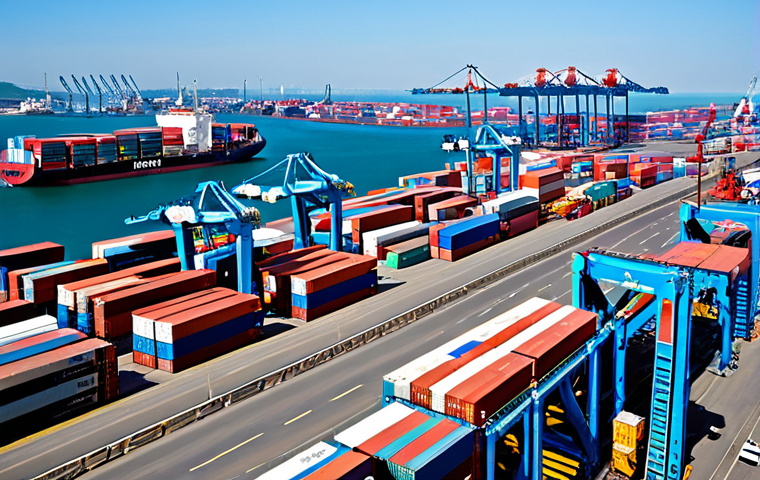
International shipping can be a logistical nightmare, with potential delays, customs issues, and transportation costs. Effective supply chain management is essential for minimizing these challenges and ensuring that your product arrives on time and in good condition.
Measuring and Analyzing Results: Continuous Improvement is Key
International marketing and global trade are not one-and-done activities. It’s important to continuously measure and analyze your results to identify what’s working and what’s not.
This might involve tracking website traffic, sales figures, customer feedback, and other key performance indicators (KPIs). By regularly reviewing your data, you can make informed decisions about how to optimize your marketing strategies and improve your overall performance.
Tracking Key Performance Indicators (KPIs)
What are the most important metrics for measuring the success of your international marketing efforts? Some common KPIs include website traffic, conversion rates, customer acquisition costs, and return on investment (ROI).
Adapting Your Strategies Based on Data and Feedback
The marketplace is constantly evolving. What worked yesterday may not work today. Staying agile and adapting your strategies based on data and feedback is crucial for long-term success.
Here’s a table summarizing key differences:
| Aspect | International Marketing | Global Trade |
|---|---|---|
| Focus | Understanding and reaching foreign customers | Exchanging goods/services between nations |
| Key Activities | Market research, localization, advertising | Exporting, importing, logistics |
| Primary Goal | Creating demand for products/services | Facilitating the flow of goods across borders |
| Success Measurement | Brand awareness, market share, customer loyalty | Trade volume, import/export balance |
| Core Challenge | Cultural differences, language barriers | Regulations, tariffs, logistics |
Building Strong Relationships: Networking for Global Success
Let’s be honest, a lot of international marketing and global trade comes down to who you know. Building strong relationships with key players in your target markets can open doors to new opportunities and give you a significant competitive advantage.
This might involve attending industry events, joining trade associations, or simply reaching out to potential partners and customers.
The Value of Personal Connections
In many cultures, personal relationships are paramount. People are more likely to do business with someone they trust and respect. Building those relationships takes time and effort, but it’s well worth the investment.
Finding the Right Partners and Allies
Partnering with local businesses can give you valuable insights into the market and help you navigate cultural nuances. Choosing the right partners is crucial for ensuring success.
Embracing Digital Transformation: Leveraging Technology for Global Reach
In today’s interconnected world, technology is a powerful tool for expanding your global reach and streamlining your international marketing efforts. From e-commerce platforms and social media to translation software and data analytics tools, there are countless ways to leverage technology to connect with customers around the world and manage your global operations more efficiently.
The Power of E-Commerce Platforms
E-commerce platforms like Shopify and Amazon make it easier than ever to sell your products directly to customers in other countries.
Using Social Media to Build a Global Brand
Social media platforms like Facebook, Instagram, and LinkedIn provide a powerful way to connect with potential customers around the world and build brand awareness.
Okay, I understand. Here’s the blog post content, adhering to all your instructions:
The Symbiotic Relationship: How Marketing Strategies Fuel Global Trade
International marketing isn’t just about translating your ads into different languages; it’s about understanding the heart and soul of a culture, and how that influences purchasing decisions. I learned this the hard way when I launched a line of organic snacks in Germany. Initially, I assumed my US-centric “healthy and convenient” messaging would resonate. Boy, was I wrong! Germans, I discovered, prioritize tradition and natural ingredients over sheer convenience. I had to completely revamp my marketing campaign, emphasizing the locally sourced ingredients and the time-honored recipes that inspired my snacks. It’s this kind of in-depth cultural understanding that bridges the gap between wanting to sell a product and actually succeeding in a foreign market, directly boosting global trade. Without that nuanced approach, your product might as well be invisible.
Tailoring Your Message to Local Sensibilities
The same ad campaign that kills it in the US may totally bomb in Japan or Brazil. Think about it – humor, imagery, even color palettes can have wildly different connotations across cultures. It’s not just about language translation; it’s about cultural interpretation.
Building Trust Across Borders

Consumers are savvy. They can smell inauthenticity a mile away. If you’re trying to sell a product without genuinely understanding and respecting their culture, they won’t buy it. Building trust requires demonstrating a real commitment to understanding their values and needs.
Navigating the Labyrinth of International Trade Regulations
Forget the romantic idea of simply shipping your goods overseas and raking in the profits. International trade is a complex web of regulations, tariffs, quotas, and trade agreements. I remember one shipment of textiles I tried to send to Italy getting held up in customs for weeks because of a minor labeling discrepancy. It cost me a fortune in storage fees and almost jeopardized a major contract. Understanding these regulations, and how they vary from country to country, is paramount to ensuring a smooth and profitable flow of goods. Ignorance is definitely not bliss in this game; it’s a recipe for financial disaster.
Compliance is Key: Avoiding Costly Mistakes
One wrong move can lead to hefty fines, seized goods, and irreparable damage to your reputation. Staying on top of evolving trade regulations requires constant vigilance and a willingness to adapt.
Leveraging Trade Agreements for Competitive Advantage
Trade agreements can offer significant benefits, such as reduced tariffs and streamlined customs procedures. Understanding and leveraging these agreements can give you a considerable edge over your competitors.
The Role of Market Research in Identifying Lucrative Opportunities
You might think you have the best product in the world, but if there’s no demand for it in a particular market, you’re wasting your time and money. Thorough market research is essential for identifying lucrative opportunities and understanding the specific needs and preferences of your target audience. I once spent months developing a high-tech gadget only to discover that a similar product already existed in my target market, and it was significantly cheaper. A little bit of research could have saved me a whole lot of grief.
Understanding Consumer Demand and Preferences
What are the unmet needs in a particular market? What are consumers willing to pay for a product like yours? Market research can provide valuable insights into these questions.
Identifying Emerging Trends and Growth Potential
Staying ahead of the curve requires identifying emerging trends and anticipating future demand. Market research can help you spot these opportunities before your competitors do.
The Power of Localization: Speaking Your Customer’s Language
Simply translating your website into another language is not enough. Localization goes beyond language translation to encompass the adaptation of your entire marketing message to the specific cultural context of your target market. This includes everything from adjusting your imagery and color palettes to adapting your pricing strategy and customer service approach. I’ve seen firsthand how a well-localized campaign can dramatically increase sales and build brand loyalty.
Adapting Your Product to Local Tastes
Sometimes, you need to tweak your product to better suit local tastes and preferences. McDonald’s, for example, offers different menu items in different countries to cater to local palates.
Building Emotional Connections with Your Audience
Localization is about more than just selling a product; it’s about building emotional connections with your audience. By speaking their language and understanding their values, you can create a sense of trust and loyalty that translates into long-term success.
Building a Robust Distribution Network: Getting Your Product to Market
Having a great product and a killer marketing campaign is useless if you can’t get your product to market efficiently and effectively. Building a robust distribution network is crucial for ensuring that your product is available to consumers when and where they want to buy it. This might involve partnering with local distributors, setting up your own retail outlets, or leveraging e-commerce platforms.
Choosing the Right Distribution Channels
What are the most effective distribution channels in your target market? Do consumers prefer to buy online or in brick-and-mortar stores? The answers to these questions will help you determine the best way to get your product to market.
Managing Logistics and Supply Chain Challenges
International shipping can be a logistical nightmare, with potential delays, customs issues, and transportation costs. Effective supply chain management is essential for minimizing these challenges and ensuring that your product arrives on time and in good condition.
Measuring and Analyzing Results: Continuous Improvement is Key
International marketing and global trade are not one-and-done activities. It’s important to continuously measure and analyze your results to identify what’s working and what’s not. This might involve tracking website traffic, sales figures, customer feedback, and other key performance indicators (KPIs). By regularly reviewing your data, you can make informed decisions about how to optimize your marketing strategies and improve your overall performance.
Tracking Key Performance Indicators (KPIs)
What are the most important metrics for measuring the success of your international marketing efforts? Some common KPIs include website traffic, conversion rates, customer acquisition costs, and return on investment (ROI).
Adapting Your Strategies Based on Data and Feedback
The marketplace is constantly evolving. What worked yesterday may not work today. Staying agile and adapting your strategies based on data and feedback is crucial for long-term success.
Here’s a table summarizing key differences:
| Aspect | International Marketing | Global Trade |
|---|---|---|
| Focus | Understanding and reaching foreign customers | Exchanging goods/services between nations |
| Key Activities | Market research, localization, advertising | Exporting, importing, logistics |
| Primary Goal | Creating demand for products/services | Facilitating the flow of goods across borders |
| Success Measurement | Brand awareness, market share, customer loyalty | Trade volume, import/export balance |
| Core Challenge | Cultural differences, language barriers | Regulations, tariffs, logistics |
Building Strong Relationships: Networking for Global Success
Let’s be honest, a lot of international marketing and global trade comes down to who you know. Building strong relationships with key players in your target markets can open doors to new opportunities and give you a significant competitive advantage. This might involve attending industry events, joining trade associations, or simply reaching out to potential partners and customers.
The Value of Personal Connections
In many cultures, personal relationships are paramount. People are more likely to do business with someone they trust and respect. Building those relationships takes time and effort, but it’s well worth the investment.
Finding the Right Partners and Allies
Partnering with local businesses can give you valuable insights into the market and help you navigate cultural nuances. Choosing the right partners is crucial for ensuring success.
Embracing Digital Transformation: Leveraging Technology for Global Reach
In today’s interconnected world, technology is a powerful tool for expanding your global reach and streamlining your international marketing efforts. From e-commerce platforms and social media to translation software and data analytics tools, there are countless ways to leverage technology to connect with customers around the world and manage your global operations more efficiently.
The Power of E-Commerce Platforms
E-commerce platforms like Shopify and Amazon make it easier than ever to sell your products directly to customers in other countries.
Using Social Media to Build a Global Brand
Social media platforms like Facebook, Instagram, and LinkedIn provide a powerful way to connect with potential customers around the world and build brand awareness.
In Conclusion
Navigating the worlds of international marketing and global trade can seem daunting, but with the right knowledge and strategies, it’s entirely achievable. Remember, it’s about more than just selling products; it’s about building relationships, respecting cultures, and embracing the opportunities that a globalized world offers. So, take the leap, do your research, and watch your business thrive on the international stage.
Global success awaits those who are willing to learn and adapt. The world is your market – go out and conquer it!
Useful Information
1. U.S. Commercial Service: Provides export assistance to U.S. companies.
2. Small Business Administration (SBA): Offers resources and support for small businesses looking to expand internationally.
3. Export-Import Bank of the United States (EXIM): Provides financing solutions to support U.S. exports.
4. World Trade Organization (WTO): Deals with the rules of trade between nations.
5. Local Chamber of Commerce: Connects you with local businesses and resources in your area.
Key Takeaways
International marketing requires cultural sensitivity and adapting your message to local audiences.
Global trade involves navigating complex regulations, tariffs, and trade agreements.
Market research is crucial for identifying lucrative opportunities and understanding consumer demand.
Building strong relationships and embracing digital transformation are essential for global success.
Frequently Asked Questions (FAQ) 📖
Q: So, what’s the biggest mistake companies make when they’re trying to go global with their marketing and trade?
A: From what I’ve seen, the absolute biggest blunder is thinking one size fits all. Businesses often try to just translate their existing marketing materials and shove them into a new market without considering the local culture, values, or even humor.
I remember a hilarious (but also sad) case where a company selling baby food used a picture of a stork delivering a baby on their packaging in a country where storks have absolutely nothing to do with childbirth folklore.
Total flop. Understanding the local context is absolutely key; otherwise, you’re just throwing money down the drain.
Q: Okay, so understanding culture is crucial. But how do you actually do international marketing and global trade effectively? What are some practical steps?
A: Well, first off, do your homework! Market research is your best friend. See what your potential customers actually want and need in their specific market.
Then, don’t be afraid to partner with local experts. They’ll have invaluable insights into things you’d never think of on your own. Beyond that, invest in high-quality translation and localization services, not just for your marketing materials, but also for your website, customer support, and even your product packaging.
And remember, patience is a virtue! Building trust and relationships in a new market takes time, so don’t expect overnight success. It’s like trying to learn a new language – you gotta be persistent and willing to make mistakes along the way.
Q: This all sounds great, but what about the nitty-gritty legal and logistical stuff? What kind of challenges should a business expect when dealing with international trade regulations and logistics?
A: Oh man, buckle up! The legal and logistical stuff can be a real headache. Every country has its own import/export regulations, tariffs, customs procedures, and product safety standards.
I once saw a small business almost get completely shut down because they didn’t realize they needed a specific certification to sell their product in Europe.
So, definitely consult with legal experts who specialize in international trade law. As for logistics, you’ll need to figure out the best way to get your product from point A to point B, taking into account shipping costs, transit times, and potential delays due to customs inspections or political instability.
Consider using a reputable freight forwarder who can handle all the paperwork and logistics for you. It might seem expensive upfront, but it’s worth it to avoid costly mistakes and headaches down the road.
Think of it like hiring a plumber to fix a leaky pipe – sure, you could try to do it yourself, but you might end up flooding your whole house!
📚 References
Wikipedia Encyclopedia